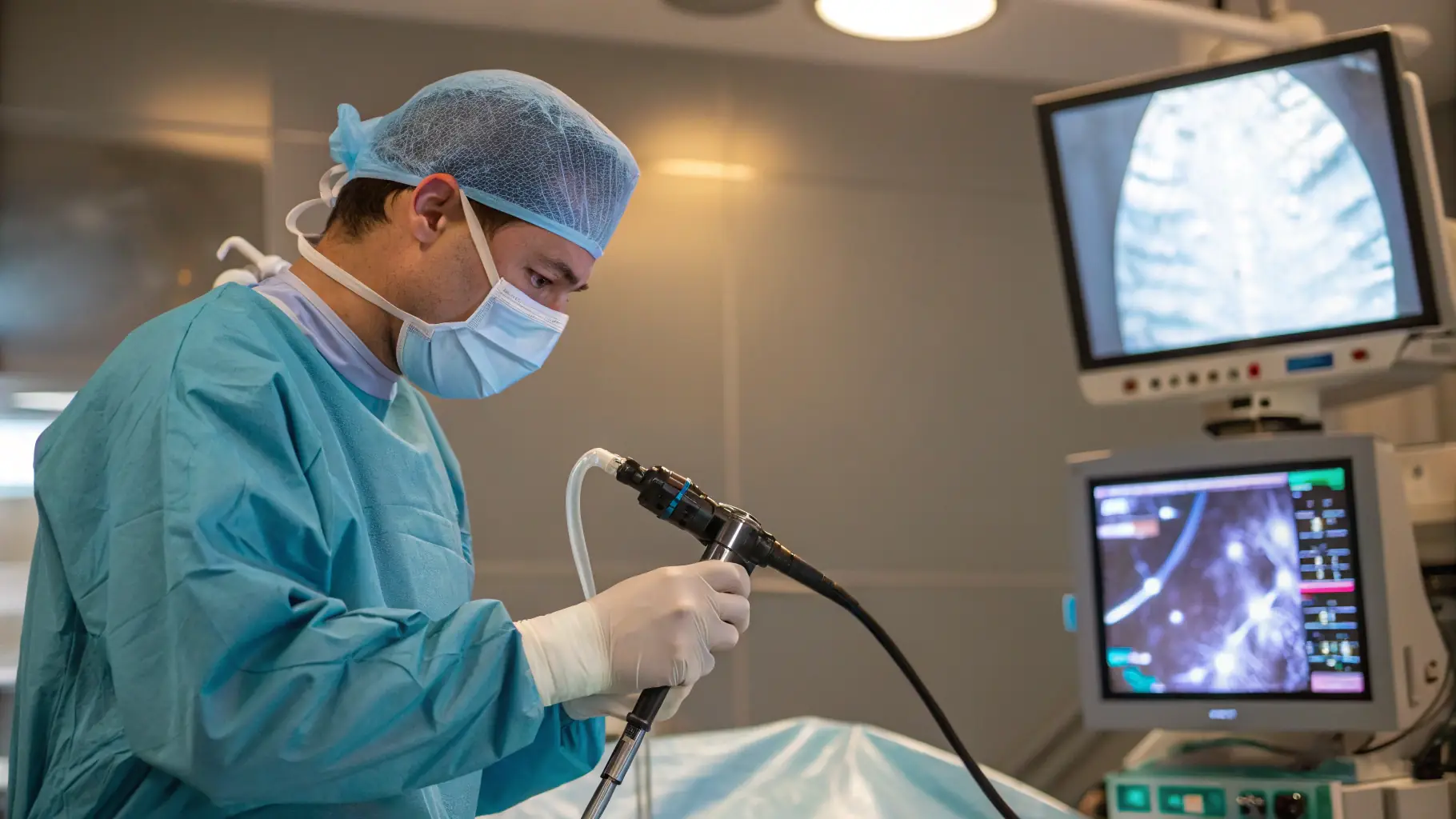

Robotic bariatric surgery is a modern, minimally invasive procedure for effective weight loss using robotic technology. It offers numerous benefits like greater surgical precision, shorter recovery times, less pain, and fewer complications.
Bariatric surgery is a life-changing option for individuals struggling with obesity and its related health complications. With the advancement of medical technology, robotic bariatric surgery is becoming increasingly popular as a safer, more precise alternative to traditional surgical methods. This article breaks down what robotic bariatric surgery involves, its benefits, and what patients can expect before, during, and after the procedure.
What is Robotic Bariatric Surgery?
Robotic bariatric surgery is a minimally invasive weight-loss surgery performed using robotic technology—most commonly the da Vinci Surgical System. The surgeon controls robotic arms from a console, which allows for high-definition 3D visualization and enhanced precision.
Read more: 5 Signs You Might Be a Candidate for Weight Loss Surgery
Types of bariatric procedures commonly performed robotically include:
Gastric bypass (Roux-en-Y)
Sleeve gastrectomy
Adjustable gastric banding
Biliopancreatic diversion with duodenal switch (BPD/DS)
How It Works
Small Incisions: Several small incisions are made instead of one large one.
Robotic Arms Inserted: Instruments and a camera are inserted through the incisions.
Surgeon Control: The surgeon operates from a console, using hand and foot controls to maneuver the robotic arms with unmatched precision.
Benefits of Robotic Bariatric Surgery
Greater Precision
The robotic system allows for meticulous movements that reduce the risk of complications and improve outcomes.Minimally Invasive
Smaller incisions mean less scarring, minimal blood loss, and faster recovery.Reduced Risk of Complications
Enhanced visualization helps avoid accidental injury to surrounding organs or tissues.Shorter Hospital Stays
Many patients are discharged within 24 to 48 hours post-surgery.Less Post-Operative Pain
Smaller incisions and refined techniques reduce pain and the need for heavy pain medication.Lower Infection Risk
A minimally invasive approach and fewer incisions decrease the chance of infection.Better Long-Term Weight Loss Outcomes
Improved surgical precision contributes to more effective weight loss and reduced risk of revision surgery.
Who is a Candidate?
Candidates for robotic bariatric surgery typically include individuals who:
Read more: What Is Bariatric Surgery? Types, Benefits, and Risks Explained
Have a BMI of 40 or higher, or
Have a BMI of 35+ with obesity-related health conditions (diabetes, sleep apnea, hypertension)
Have not succeeded with diet, exercise, or medication-based weight loss
Are deemed fit for surgery after thorough medical evaluation
What to Expect: The Process
1. Pre-Surgery
Medical Evaluation: Lab tests, EKG, and clearance from various specialists
Nutritional Counseling: Adjusting your diet before and after surgery
Psychological Assessment: Ensuring you’re emotionally prepared
Pre-Op Instructions: Fasting guidelines and medication management
2. Day of Surgery
Arrival: You’ll be checked in and prepped for anesthesia
Procedure Duration: Usually takes 2–4 hours depending on the type
Recovery Room: Initial monitoring post-anesthesia
3. Post-Surgery
Hospital Stay: 1–2 days for most patients
Diet Progression: From clear liquids to pureed, soft foods, then solids over several weeks
Follow-Up Visits: Regular check-ins with your surgeon, dietitian, and care team
Physical Activity: Light walking encouraged within 24 hours to reduce blood clot risk
Risks and Considerations
While robotic bariatric surgery is generally safe, it carries some risks, including:
Bleeding or infection
Blood clots
Leakage from surgical sites
Nutritional deficiencies
Reactions to anesthesia
Choosing an experienced bariatric surgeon can significantly lower these risks.
Recovery and Long-Term Success
Most patients resume normal activities within 2–4 weeks. Long-term success depends on:
Read more: Best Bariatric Surgical Care in California: Why We Love Dr. Francis A. Essien, MD, FACS
Commitment to a healthy lifestyle
Regular follow-up appointments
Nutritional supplementation
Physical activity
Support from healthcare providers and peers
Ready to take the next step? Booking an appointment is easy. Simply call 951-698-3000 to schedule your consultation.