
Mental preparation is key to bariatric surgery success. Understanding your motivations, managing expectations, building emotional resilience, and committing to lifestyle changes will help ensure a smoother, more sustainable journey post-surgery.

Bariatric surgery is a powerful tool for long-term weight loss and improved health, but it’s also a major life decision that requires significant mental and emotional preparation. Success doesn’t just depend on the surgery itself—it hinges on how well you’re prepared mentally to make and sustain lifestyle changes. Here’s a guide to help you mentally prepare for the journey ahead.

1. Understand the Why Behind Your Decision

Before undergoing bariatric surgery, reflect deeply on your reasons. Are you doing it for your health? To increase your quality of life? To be more active with your children or reduce dependence on medication? A clear, personal motivation will help you stay committed when challenges arise post-surgery.

Read more: 5 Signs You Might Be a Candidate for Weight Loss Surgery

2. Set Realistic Expectations

Bariatric surgery is not a miracle cure. It won’t automatically fix emotional eating, body image issues, or all health concerns. While many experience significant health improvements and weight loss, the results vary. Setting realistic expectations about the pace of weight loss and the work required post-op is essential for mental wellness.

3. Work with a Mental Health Professional

Many bariatric programs require a psychological evaluation, and for good reason. Therapy can help uncover underlying issues such as depression, trauma, or eating disorders that may impact your success. A licensed therapist can also help you develop healthier coping strategies and prepare for the emotional changes post-surgery.

Read more: What Is Bariatric Surgery? Types, Benefits, and Risks Explained

4. Build a Strong Support System

Tell trusted friends, family, or join a support group of others who have gone through bariatric surgery. Having people to talk to about your journey—both the highs and lows—can make a huge difference. Emotional support can reduce stress and help you stay on track.

5. Learn New Coping Skills

If you tend to use food to deal with stress, boredom, or emotions, now is the time to find alternative coping strategies. This may include journaling, meditation, physical activity, art, or talking to a friend. Developing these skills in advance helps prevent setbacks and supports long-term success.

Read more: Best Bariatric Surgical Care in California: Why We Love Dr. Francis A. Essien, MD, FACS

6. Be Ready for Relationship Changes

Weight loss and lifestyle changes may affect your relationships—with a spouse, friends, or family. Some people may not understand or support your decision. Prepare yourself for these dynamics and seek out people who encourage your growth and wellness.

7. Commit to Lifestyle Changes

Surgery is a starting point, not an endpoint. Preparing mentally means embracing the need for permanent dietary changes, regular exercise, and medical follow-up. Start building healthier routines before surgery so the transition feels more natural afterward.

8. Visualize Your New Life

Spend time visualizing yourself post-surgery: healthier, more active, and empowered. Visualization can be a powerful motivator. Create a vision board or journal to keep track of your goals and how you want to feel in the future.

Conclusion

Mental preparation is just as important as physical preparation for bariatric surgery. By understanding your motivation, working with professionals, developing strong coping mechanisms, and surrounding yourself with support, you can enter surgery with the mindset needed for long-term success and well-being.

Ready to take the next step? Booking an appointment is easy. Simply call 951-698-3000 to schedule your consultation.


Although bariatric surgery is an excellent treatment for weight loss, it requires a significant lifelong commitment to diet and physical activity changes to be effective in the long term.

When more calories are consumed than the body needs to function, body fat begins to accumulate and causes weight gain. Environmental, hormonal, metabolic, surgical, behavioral, and anatomical causes can contribute to excess calorie intake, also known as metabolic overeating.

Read More: What Is Bariatric Surgery? Types, Benefits, and Risks Explained

Weight gain after bariatric surgery

Weight relapse is primarily a physiological phenomenon, not a failure of willpower. Comorbidities before weight loss are likely to return when the weight returns. Within 2-5 years after surgery, almost a third of people gain more than 25% of their original weight. According to one study, more than 40% of patients who underwent bariatric surgery in the 10 years prior gained weight. Detecting weight gain early enough to take steps to reverse or limit weight gain is the best way to prevent the return of comorbidities.

From MVSA’s clinical experience, patients who visit the clinic regularly tend to gain less weight than those who do not return for follow-up.

Reasons For Weight Regain Post Bariatric Surgery

The chronic nature of obesity and the tendency of patients to slip back into their old habits are the main causes of weight gain in the vast majority of patients. Other causes include:

  • Stretching of the gastric sac (pouch dilatation).
  • Stretching of the intestinal pouch connection (stoma dilatation).
  • Problems with the adjustable gastric band system (hole in the tube, balloon leak, detached port, etc.).
  • Improper connection (gastric-gastric fistula due to broken staple suture).

In rare cases, medical circumstances such as pregnancy, thyroid, and adrenal problems, and new medications can cause weight gain.

Talk to your doctor if you start to gain weight after bariatric surgery. You may be able to determine the cause of the weight gain. To pinpoint the causes of weight gain—medical, psychological, or lifestyle—you may need a more thorough assessment.

Lifestyle Changes to Avoid Weight Regain

Your overall health depends on whether you eat enough healthy proteins. Your body uses protein to develop skin, muscles, bones, and blood. Protein makes you feel full faster and for a longer period of time, which helps you lose and maintain weight.

  • Track Your Protein Intake

According to research, tracking your diet can help you lose twice as much weight as people who don’t. Protein tracking is simple with an app. The app will calculate the amount of protein you eat after finding the food. This is useful, especially when you’re dining out (more on that in a bit).

Then how much protein should you consume? According to the CDC, protein should make up 10% to 35% of your daily calories. This is about 56 grams of protein for adult men compared to 46 grams for women.

  • Stay Away from Milk Products

If after bariatric surgery, you may find that you are lactose intolerant. As a result, your bariatric surgeon may advise you to replace milk with soy milk and low-lactose milk substitutes such as Lactaid.

  • Fruits

Eat high-fiber fruits such as blackberries, raspberries, apples, avocados, blueberries, strawberries, pears, and oranges with or between meals. Try pairing one serving of fresh fruit with a serving of protein-rich Greek yogurt or cottage cheese for a nutritious, fiber and protein-rich snack.

  • Vegetables

Stick to low-carb vegetables rich in fiber, flavonoids, and antioxidants. You will eat more food while consuming fewer calories if you put these vegetables on your plates. Green beans, broccoli, tomatoes, asparagus, cauliflower, spinach, and bell peppers are delicious vegetables to put on your plate.

  • Eat Smaller Meals More Often

Stick to mini meals rather than three large meals a day. You will feel full all day if you eat these small meals more often. Eating actual food instead of just snacking will make you less prone to overeating!

  • Don’t Drink Too Many Calories

Your doctor will set a daily calorie restriction for you after bariatric surgery. Once again, the app can make sure you stick to your calorie budget. If you are using a calorie-counting app, you will find that some drinks are high in calories. For example, a 12-ounce bottle or can of soda contains 150 or more calories. So that you can use your calories for high-calorie foods like protein, vegetables, and fresh fruits, you would be much better off drinking calorie-free drinks or, better yet, plain water.

  • Avoid Sugary Foods

If you’re worried about gaining weight again, you should avoid foods high in fat or sugar. When presented with junk food options such as cake, ice cream, candies, or bakery items, take them off the table for the best weight loss results.

Explore remedies for weight gain after Bariatric Surgery

MVSA professionals may recommend a bariatric revision if the cause of your weight gain is outlet dilation. Transoral gastric outlet reduction, called bariatric revision, is used to treat outlet dilatation.

The hole is returned to its preoperative size with a few sutures. You feel more satisfied after eating when the size of the outlet is changed.

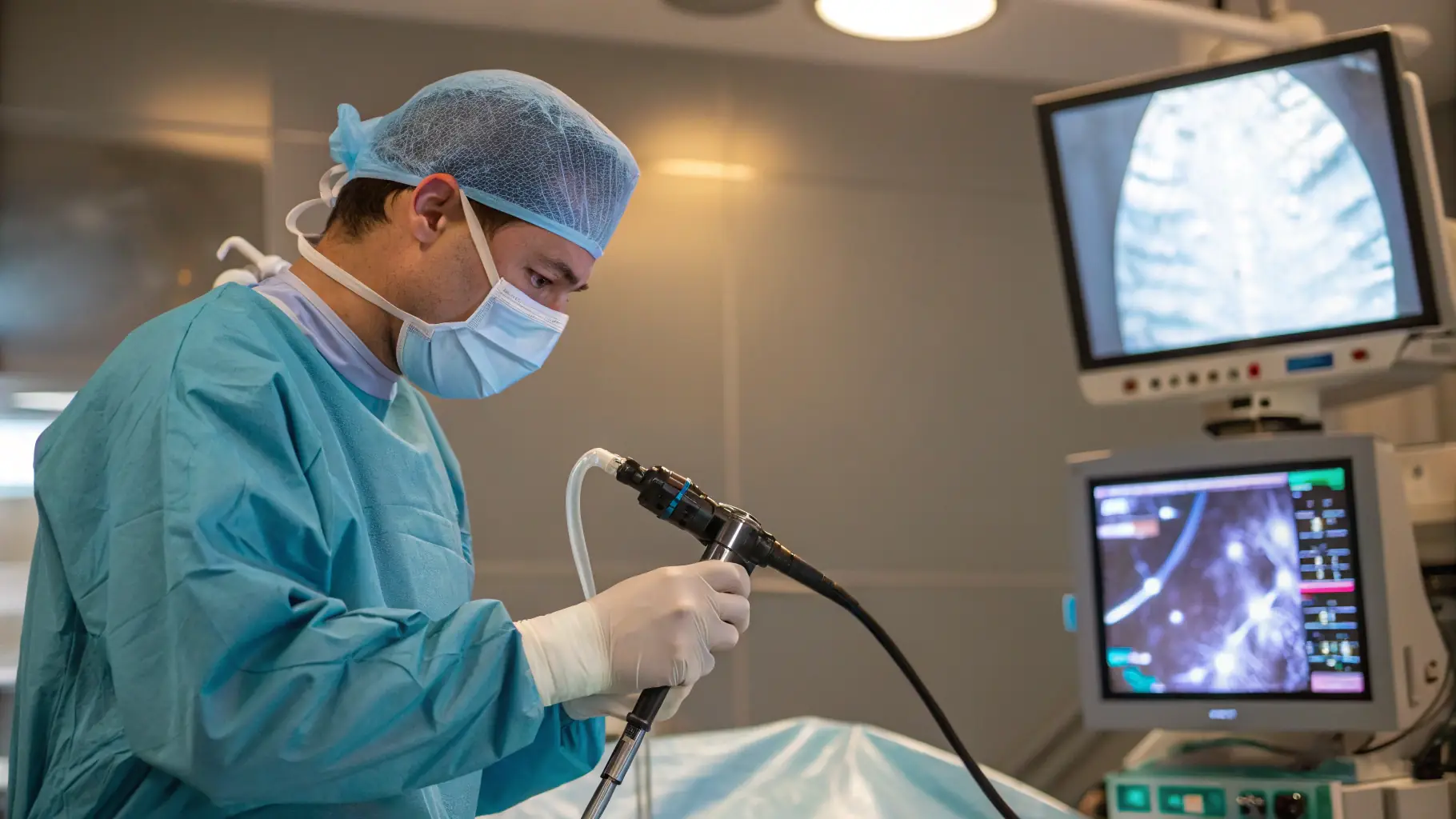
The endoscope is used in bariatric revision and non-surgical treatment to apply several sutures in the required places. Since no incisions are made, the process is less invasive and takes much less time because it is non-surgical. In addition, you lose weight at the same rate as before the initial treatment.

Find the Best Bariatric Surgeon for Best Solution

With these lifestyle choices and other tips, you can lose a lot of weight and keep it off forever. Weight gain is possible, but following your bariatric surgeon’s advice on proper healing after weight loss surgery can minimize or avoid the problem entirely.

By choosing the best bariatric surgeon you can find, you can guarantee long-term success before, during, and after your procedure. Sleeve gastrostomy, gastric bypass, and non-surgical gastric balloon are some of the common bariatric surgeries that MVSA surgeons have a proven track record of performing.

The surgical staff at MVSA can help you achieve your surgical weight loss and overall physical health goals. Call now to schedule a consultation and get started with bariatric surgery on the road to healthier living.

Share this post

Subscribe to our newsletter

Keep up with the latest blog posts by staying updated. No spamming: we promise.
By clicking Sign Up you’re confirming that you agree with our Terms and Conditions.

Related posts

Accepted Insurances

We accept most insurance providers. If you have specific questions regarding your coverage, please contact us for additional information.

aetna
blue cross
medicare

Phone (appointments): 951-698-3000
Fax: 888-676-3893
Address: 36320 Inland Valley Dr., #101, #208, #301, Wildomar, CA 92595

Copyright © 2026 Murrieta Valley Surgery Associates. Powered by Avatar Website Design