
Peripheral Artery Disease
in Wildomar, Temecula,
Hemet and Corona, CA
Murrieta Valley Surgery Associates offers Peripheral Artery Disease (PAD) services. Our board-certified surgeons are committed to providing personalized care, utilizing the latest minimally invasive techniques for faster recovery and optimal outcomes.
Why Choose Murrieta Valley Surgery Associates Peripheral Artery Disease (PAD) Services?
Resulting from arterial blockages often linked to smoking and diabetes, Peripheral Artery Disease (PAD) poses significant risks such as non-healing wounds, amputaions, and mortality. The skilled vascular surgeons at Murrieta Valley Surgery Associates specialize in addressing PAD, offering a range of treatments. From personalized medical management to outpatient endovascular procedures and intricate open bypass surgery, our experienced team provides comprehensive care.
If you are a loved one is dealing with PAD, contact our offices in Wildomar, Temecula, Hemet, and Corona today.
Peripheral Artery Disease Q&A
PAD is a critical medical condition that arises when arteries in the limbs become obstructed by a buildup of adhesive plaque. This plaque develops because of elevated “bad” cholesterol levels (low-density lipoprotein, or LDL) in the bloodstream.
Over time, the deposits of plaque enlarge, impeding normal blood flow. Individuals with vessel damage from factors such as smoking, high blood pressure, or other causes are more prone to plaque formation. Although PAD typically affects leg arteries, the term encompasses blockages in any arteries, excluding those leading to the heart (coronary arteries) or brain (carotid arteries).
While PAD can affect anyone, it is more prevalent in individuals who smoke, are older, have diabetes or hypertension, and/or have a history of stroke or coronary artery disease. If you are at a higher risk of developing PAD, it’s essential to make regular visits to your doctor.
If you begin feeling a combination of PAD symptoms, contact the team at Murrieta Valley Surgery Associates right away. Symptoms may present in your arms or legs and can include:
- Cramps or aching
- Numbness
- Weakness
- Temperature differentials between limbs
- Slow-to-heal sores
- Weakened pulse in one ankle or wrist
- Changes in skin appearance: paleness or a bluish tint
- Pain escalating with physical activity (intermittent claudication)
Symptoms typically impact one leg, facilitating diagnosis for experienced physicians — any symptoms warrant prompt evaluation by a medical professional, whether in one or both arms or legs.
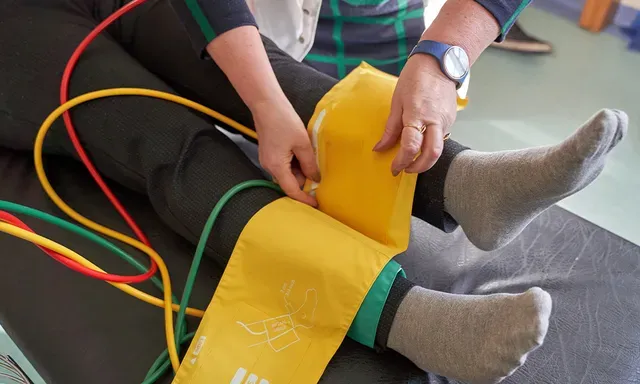
PAD diagnosis begins with reviewing symptoms and medical history. The Murrieta Valley Surgery Associates team conducts a physical assessment, evaluating pulse, skin temperature, and other indicators of arterial disease. Subsequently, a noninvasive vascular ultrasound assesses arteries and circulation in the affected region. This diagnostic tool aids both in PAD diagnosis and management.
In most instances, PAD is managed with medication to prevent clots, coupled with lifestyle changes like adopting a healthy diet and increased physical activity. In severe cases, your provider may inject clot-dissolving medicines into the artery or perform surgery to “unblock,” or bypass, the affected artery.
To book an appointment with Murrieta Valley Surgery Associates, contact the office by phone or book online today.